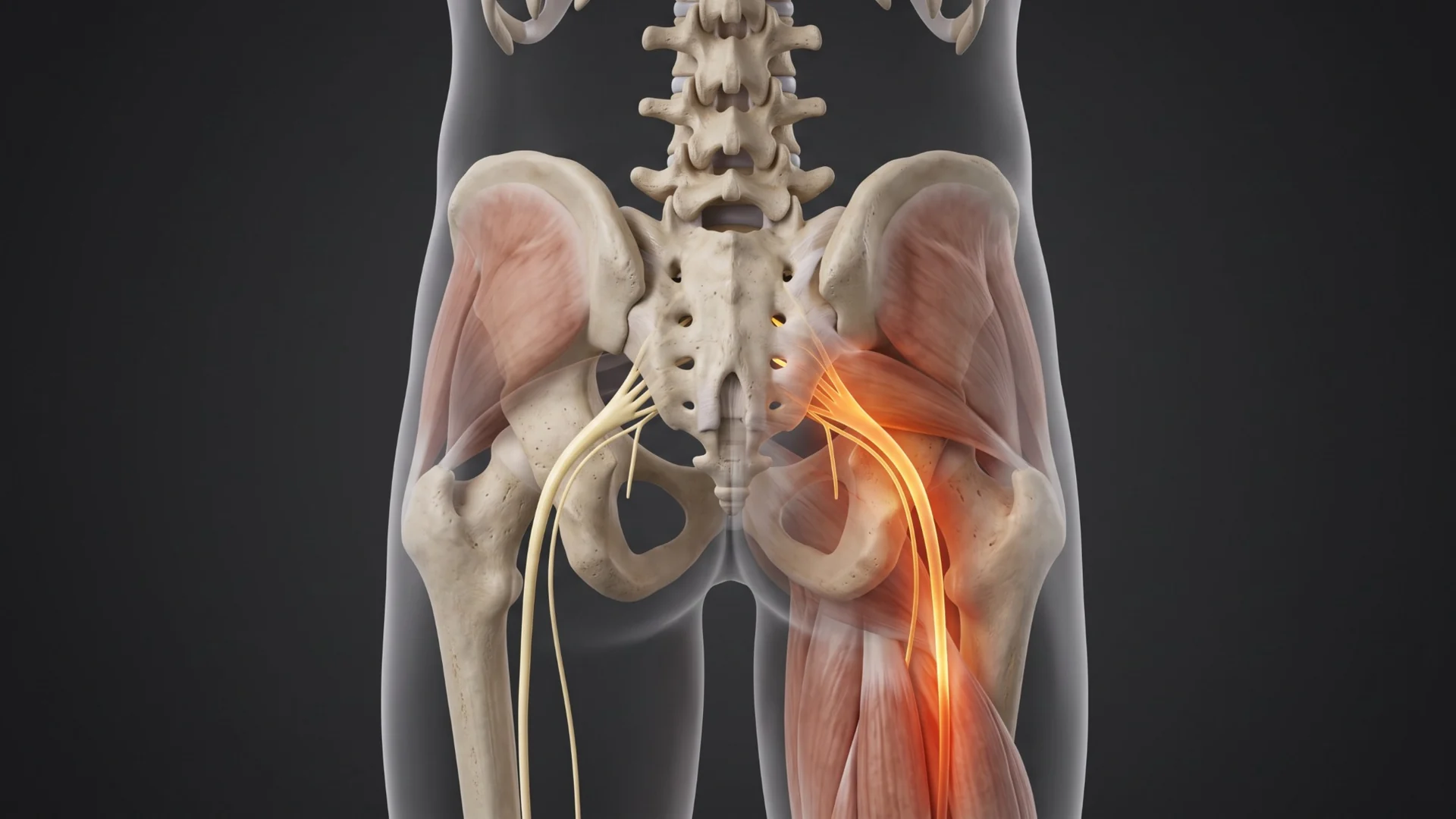
Pelvic pressure deserves informed professional care
Uterine prolapse occurs when support for the uterus weakens and the uterus descends from its usual position. It is one type of pelvic organ prolapse. A person may notice pressure, a bulge sensation or changes in bladder and bowel comfort.
Symptoms, severity and suitable treatment options vary. Diagnosis and decisions about pelvic-floor rehabilitation, support devices or other treatments belong with a qualified gynecologist or pelvic health specialist.
Pelvic symptoms that should be discussed with a clinician
Pelvic heaviness
A dragging or pressure sensation low in the pelvis.
Bulge sensation
Feeling or seeing a bulge near the vaginal opening.
Urinary changes
Leakage, frequent urination or difficulty emptying the bladder.
Daily-life discomfort
Symptoms that change when standing, lifting or carrying out routine activities.
Begin with a gynecological evaluation
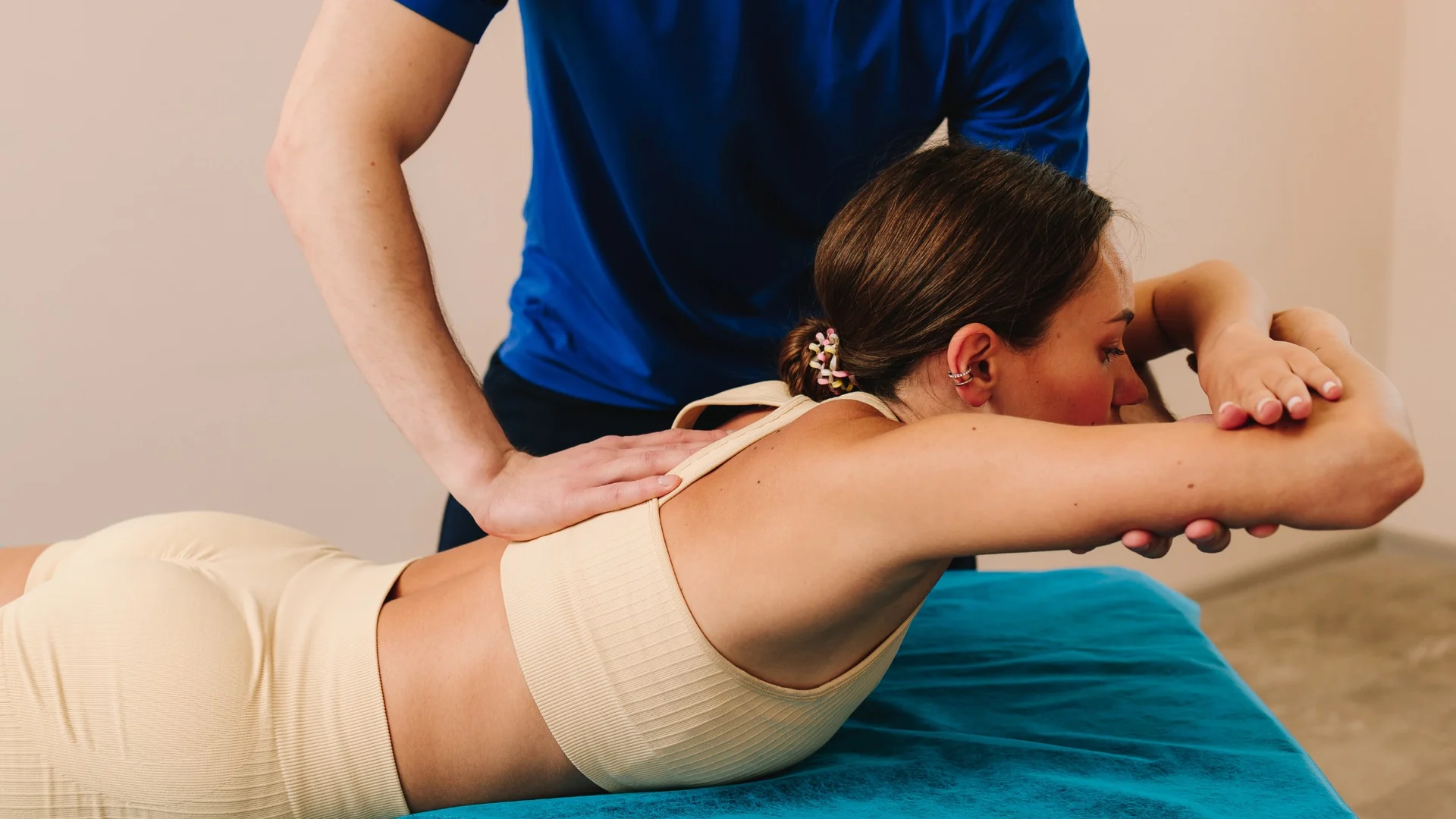
The traditional term “fallen uterus” should not be interpreted as something that can safely be pushed back by an unverified adjustment. This page does not advertise gynecological procedures, pelvic examinations or manual correction of prolapse.
Have you consulted a gynecologist or pelvic-floor specialist about these symptoms?
Were you given a diagnosis and a plan for monitoring or treatment?
Are you seeking general business information rather than a substitute for medical care?
Manual adjustment is not a verified cure
A suspected prolapse needs evaluation by a qualified medical professional. Seek urgent care for severe pelvic pain, heavy bleeding or an inability to pass urine. This site does not claim that a manual wellness visit can reverse uterine prolapse.
Frequently Asked Questions.
Is “fallen uterus” the same as uterine prolapse?
It is a traditional expression often used for uterine prolapse. Only a qualified clinician can confirm the diagnosis.
Can manual massage reverse uterine prolapse?
There is no cure claim here. Evidence-based options should be discussed with a gynecologist or pelvic-floor specialist.
What is the right first step if I notice a bulge?
Arrange a professional medical assessment rather than relying on an unverified hands-on adjustment.
For medically reviewed information about this topic, you can also consult:
NHS — Pelvic Organ Prolapse ↗