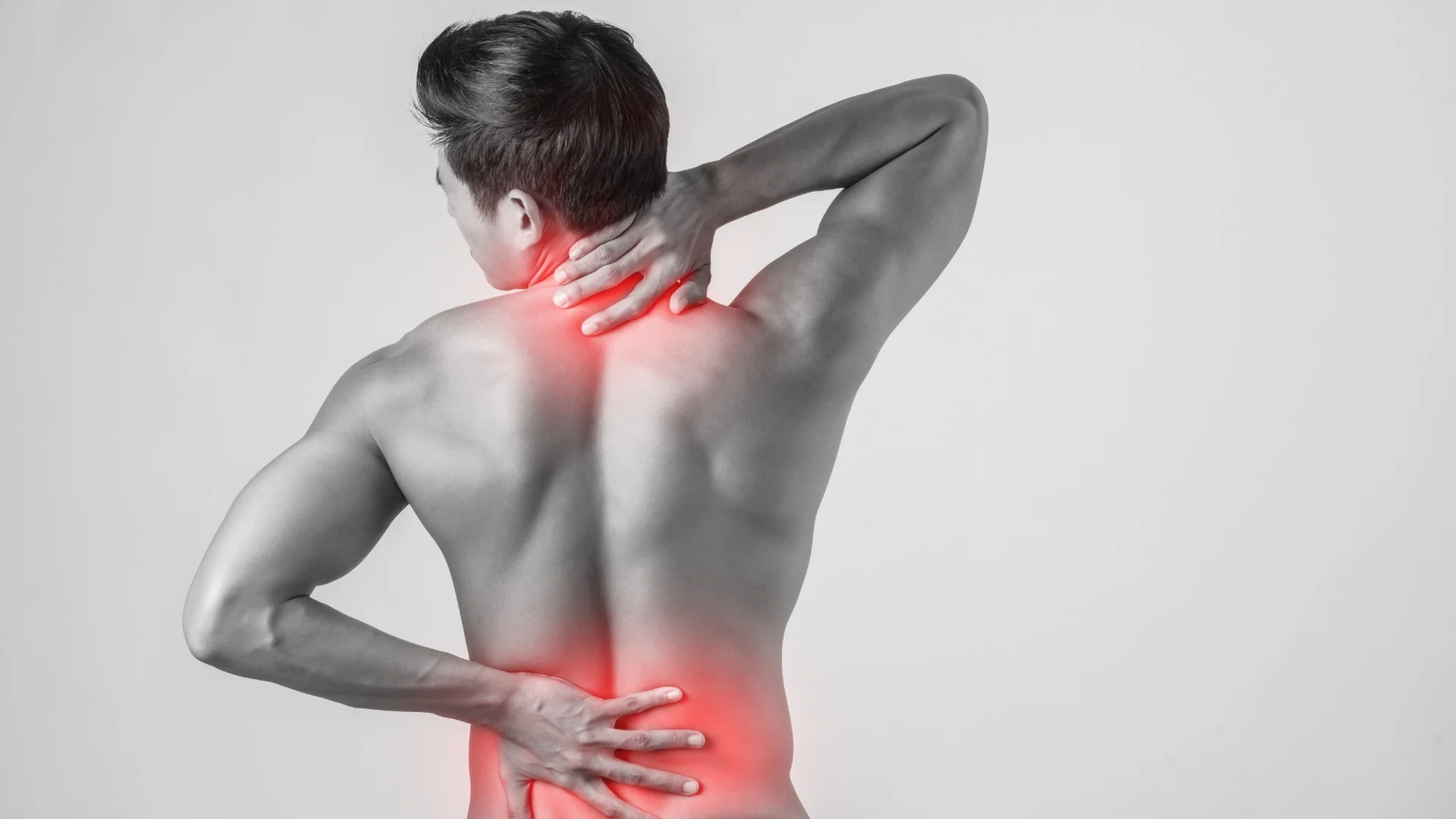
Understanding a change in a spinal disc
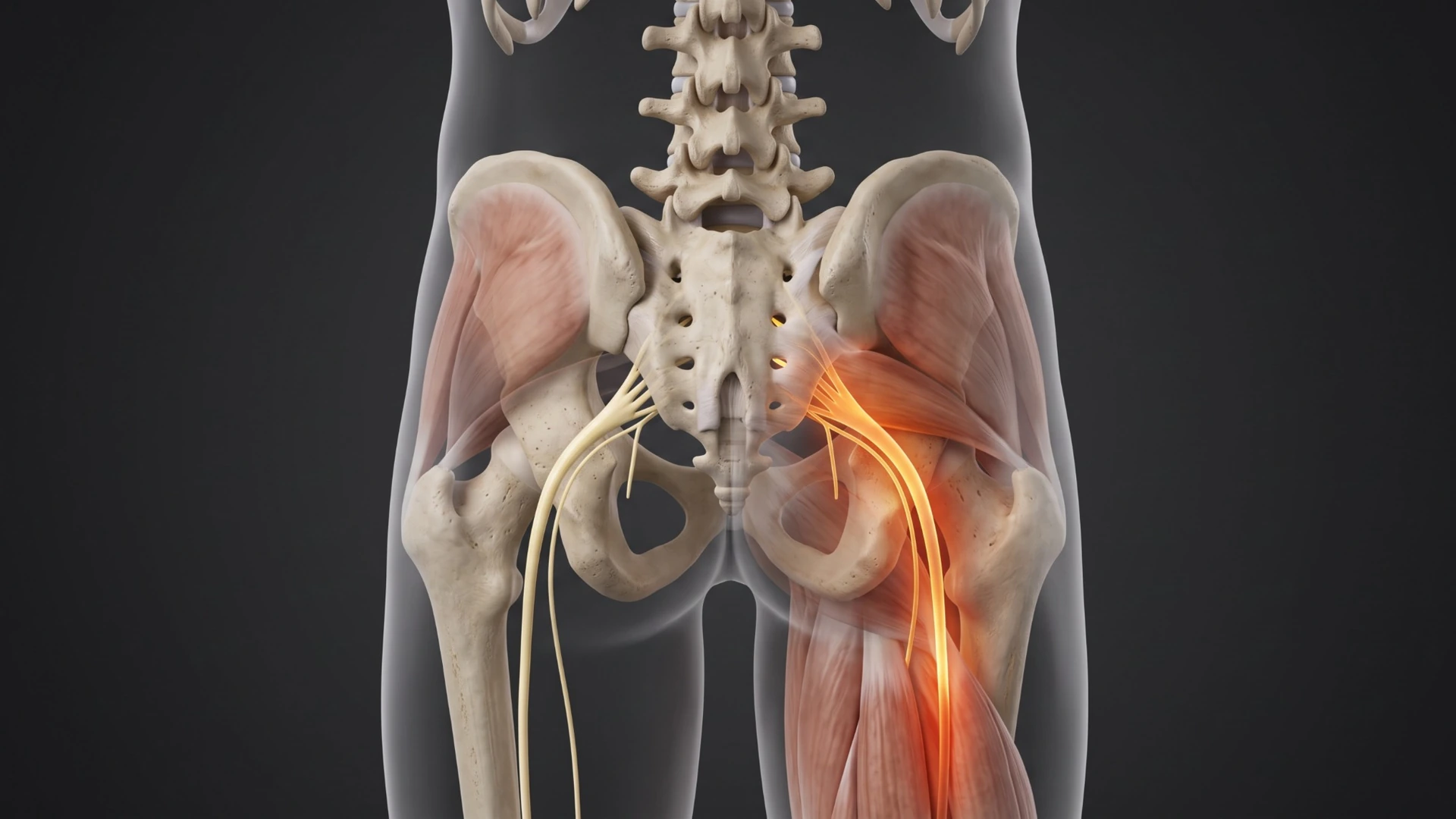
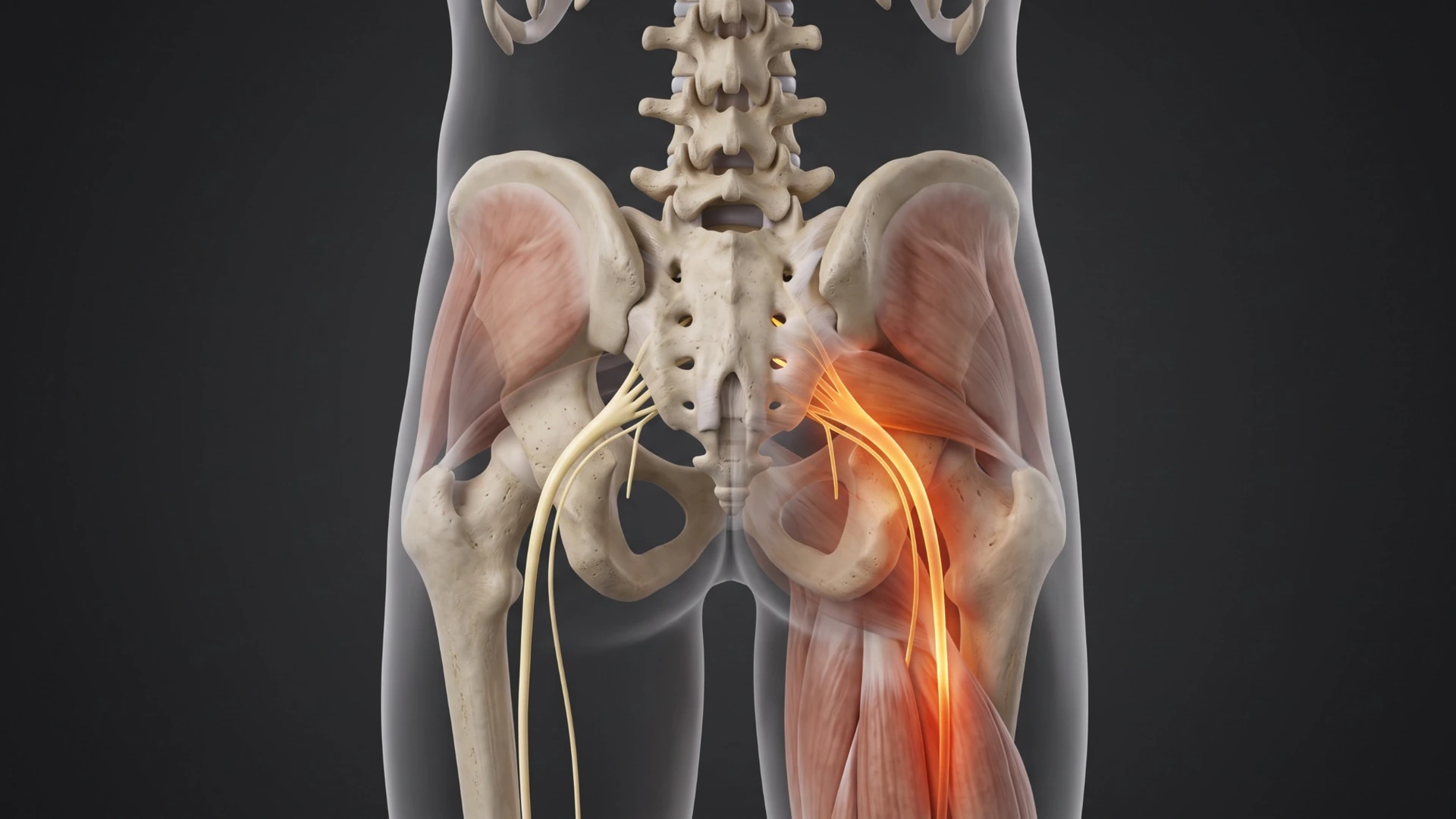
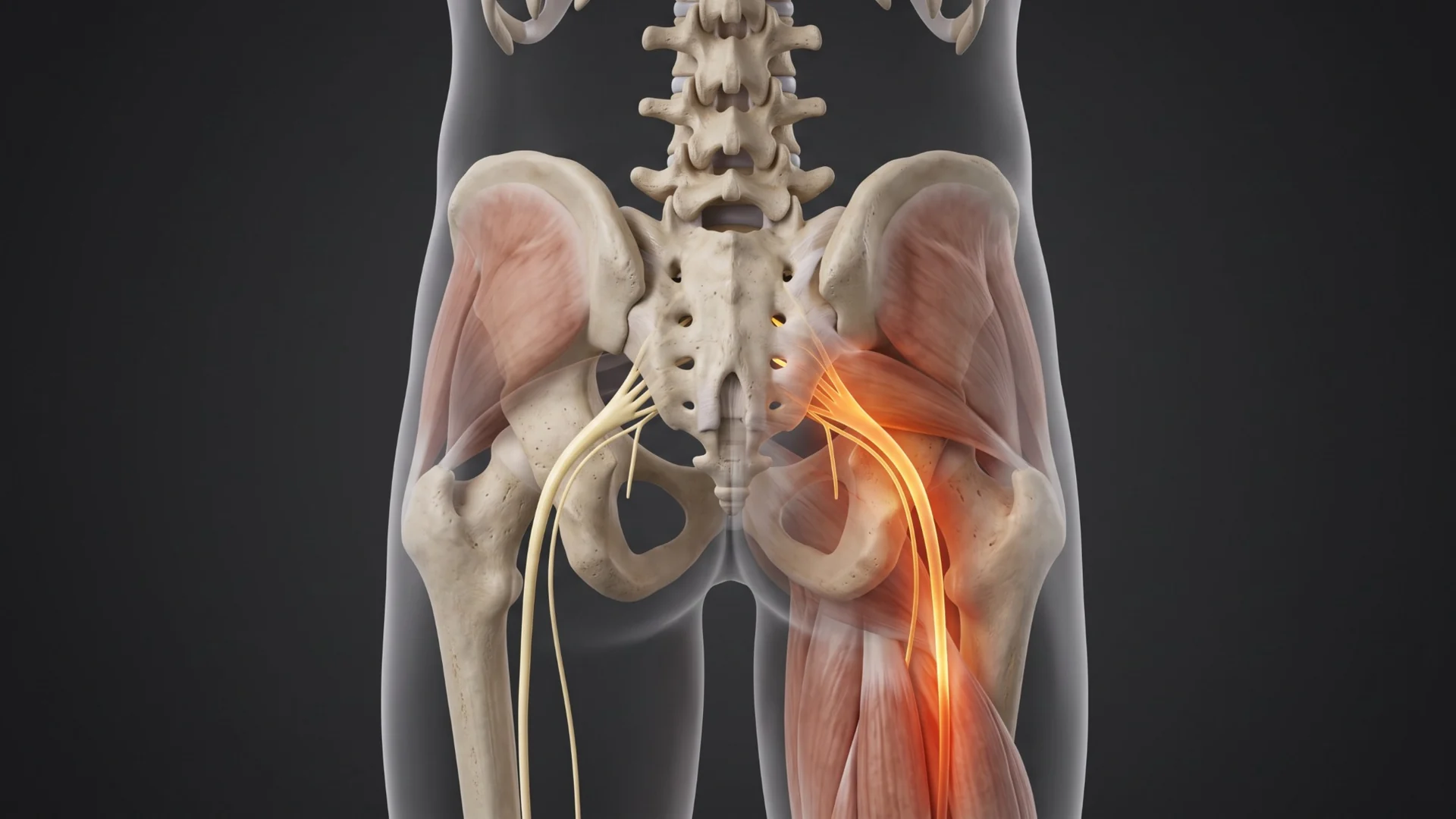
A spinal disc sits between vertebrae and helps cushion movement. A herniated disc occurs when part of its softer center pushes against or through its outer covering. Some people have no symptoms; others experience back discomfort or irritated nerves.
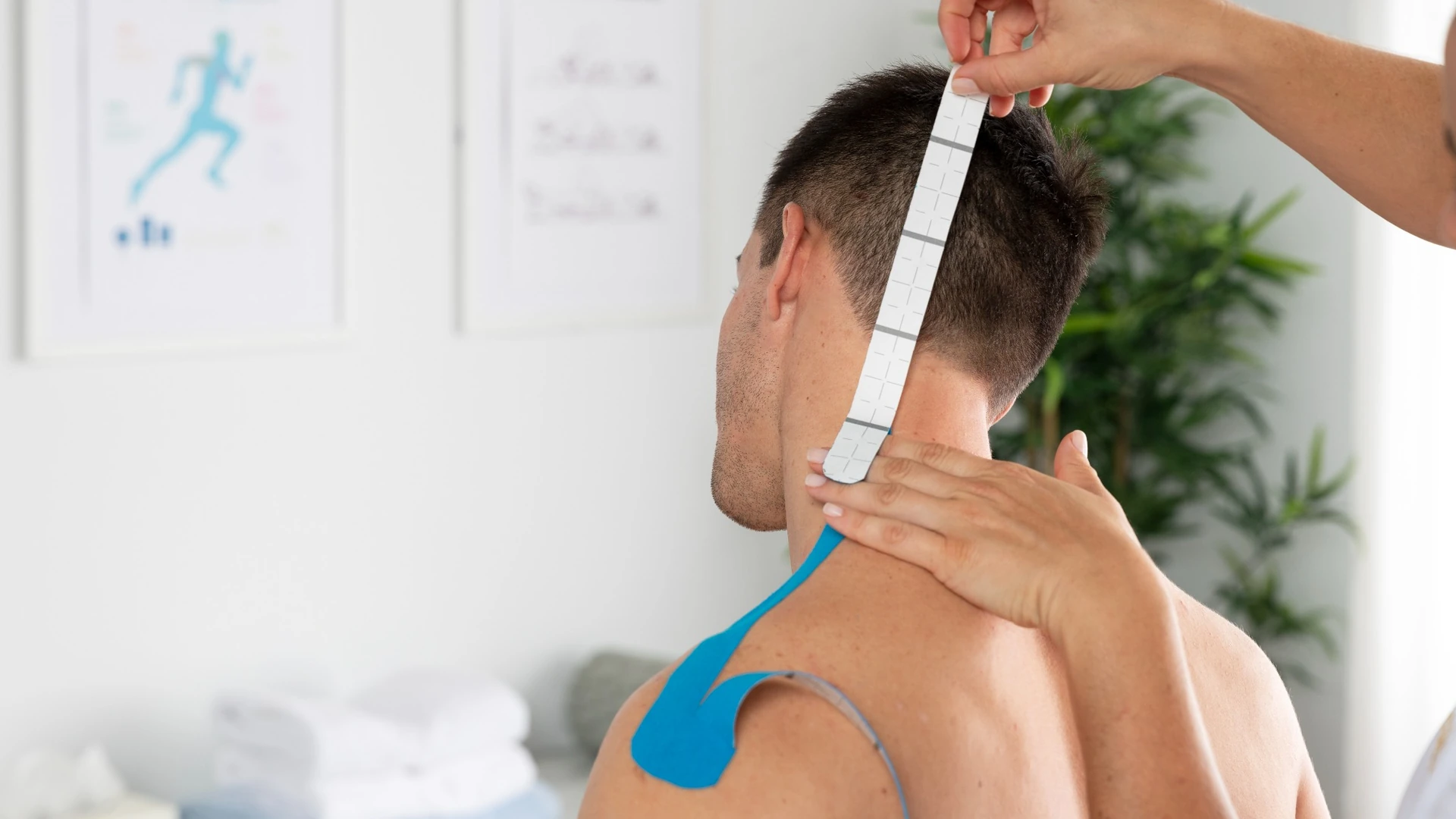
Depending on the location, symptoms may involve the neck or back and sometimes radiate into an arm or leg. A medical assessment—not a website photograph or a massage appointment—determines whether a disc is involved and what treatment is appropriate.
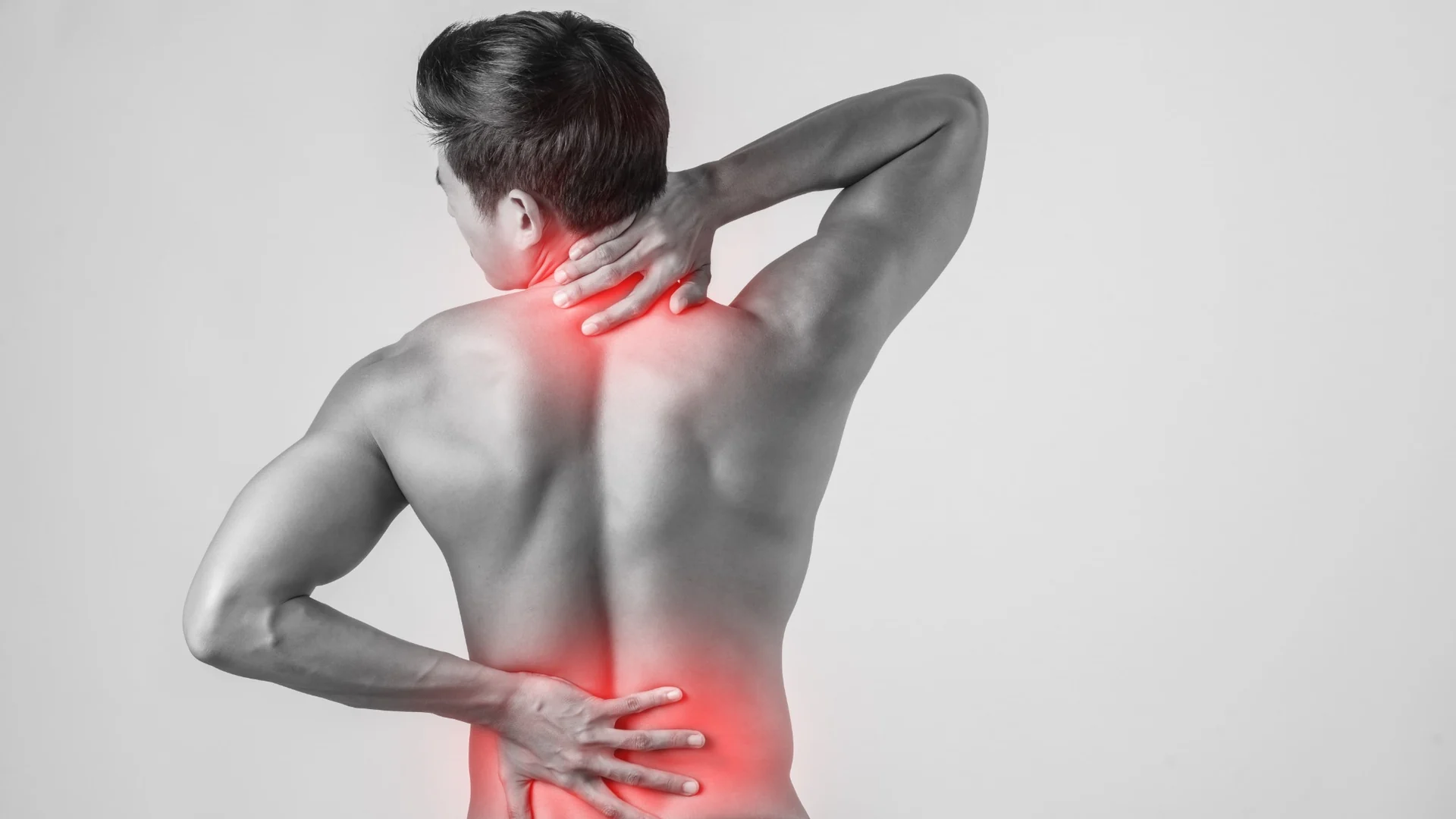
Understand the concerns people commonly report
Localized spinal pain
Discomfort around the lower back or neck.
Pain into a limb
Shooting pain that may travel into a leg or arm.
Numbness or tingling
Changes in sensation that may indicate nerve involvement.
Existing diagnosis
An MRI report or clinical assessment can help clarify what has already been identified.
Start with your existing medical information
A disc diagnosis cannot be established by looking at posture or describing pain alone. Discuss any confirmed diagnosis and ask about the scope and limitations of the advertised wellness consultation before scheduling.
Has a clinician diagnosed a herniated disc, or is it only a concern?
Where do you feel symptoms, and do they extend into an arm or leg?
Were you given restrictions on physical activity or hands-on procedures?
Avoid unsafe spinal manipulation
Seek urgent medical evaluation for rapidly worsening weakness, groin numbness, inability to urinate or loss of bladder or bowel control. Speak with a qualified clinician before any spinal manipulation when disc injury is suspected.
Frequently Asked Questions.
Does a herniated disc always cause symptoms?
No. Some people have a disc change without noticeable symptoms; a healthcare professional interprets findings together with an examination.
Can a website tell me which disc is affected?
No. The location and significance of a suspected disc problem require clinical assessment and sometimes imaging.
Will a manual adjustment put the disc back?
This website makes no such claim. Ask a qualified clinician about appropriate treatment and whether any hands-on approach is safe for you.
For medically reviewed information about this topic, you can also consult:
NHS — Slipped Disc ↗