Support informed decisions about spinal curvature
Scoliosis means the spine curves sideways and may also rotate. Some curves are mild and discovered during a routine exam; others require observation or care guided by a qualified clinician.
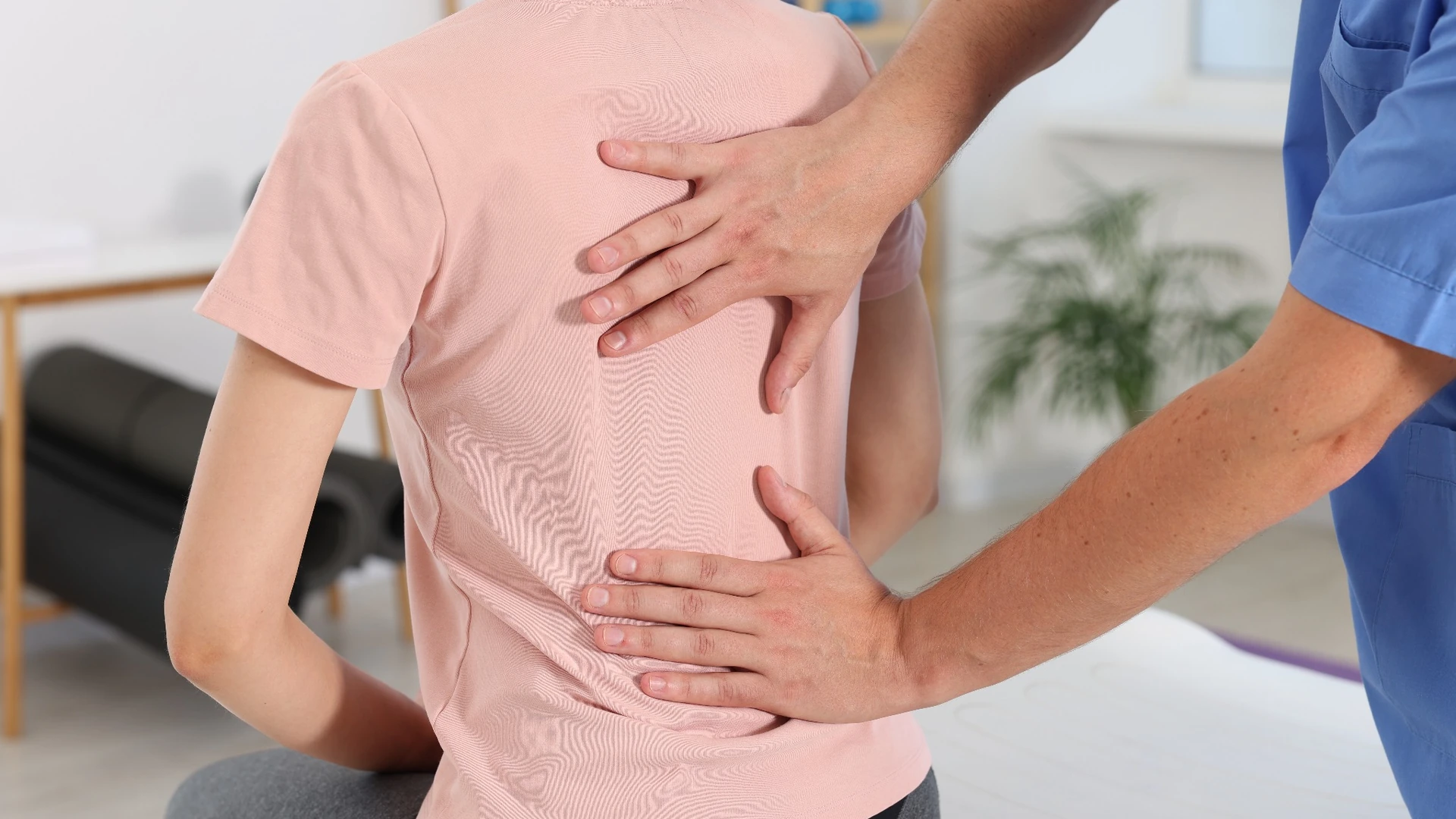
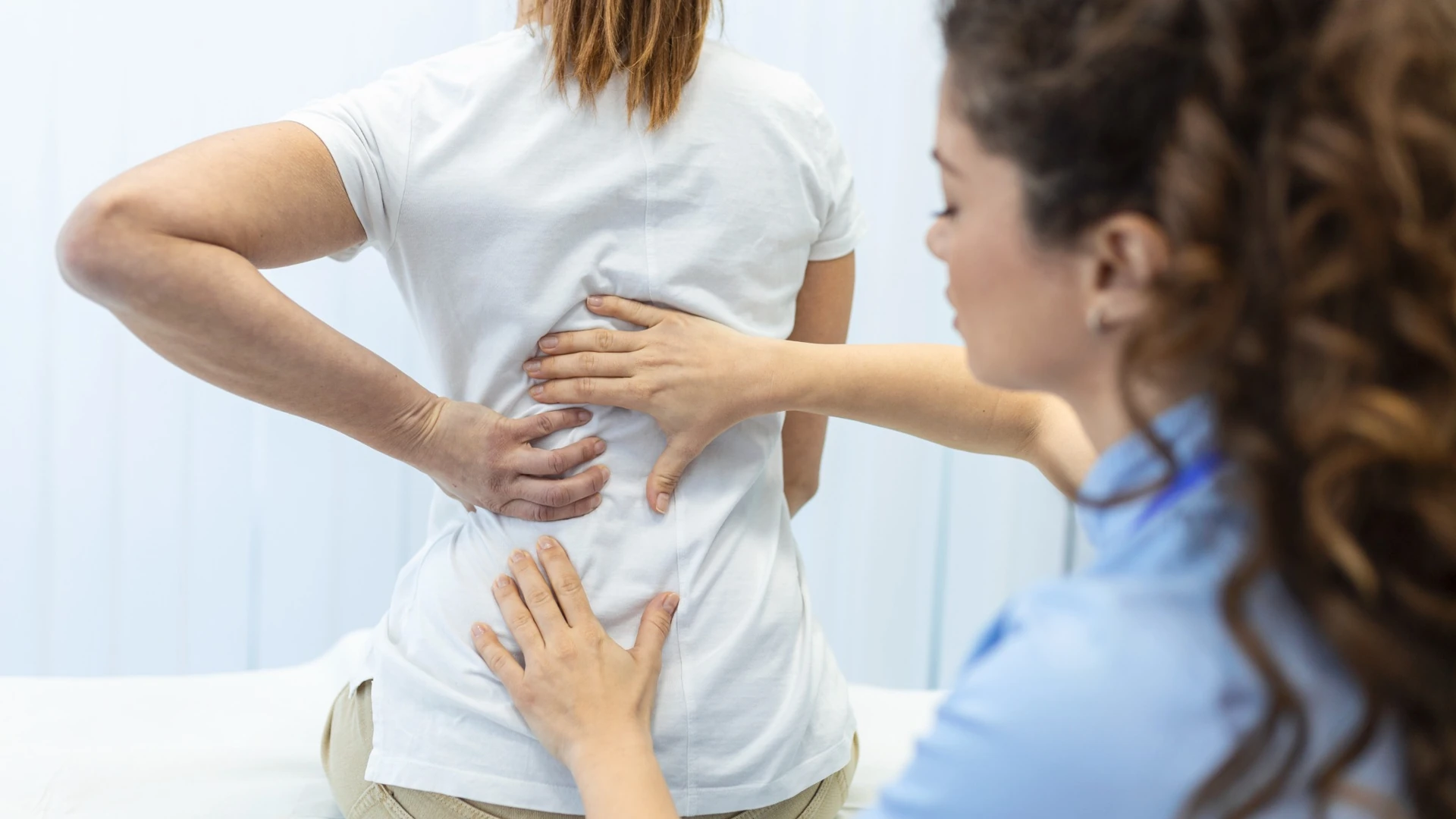
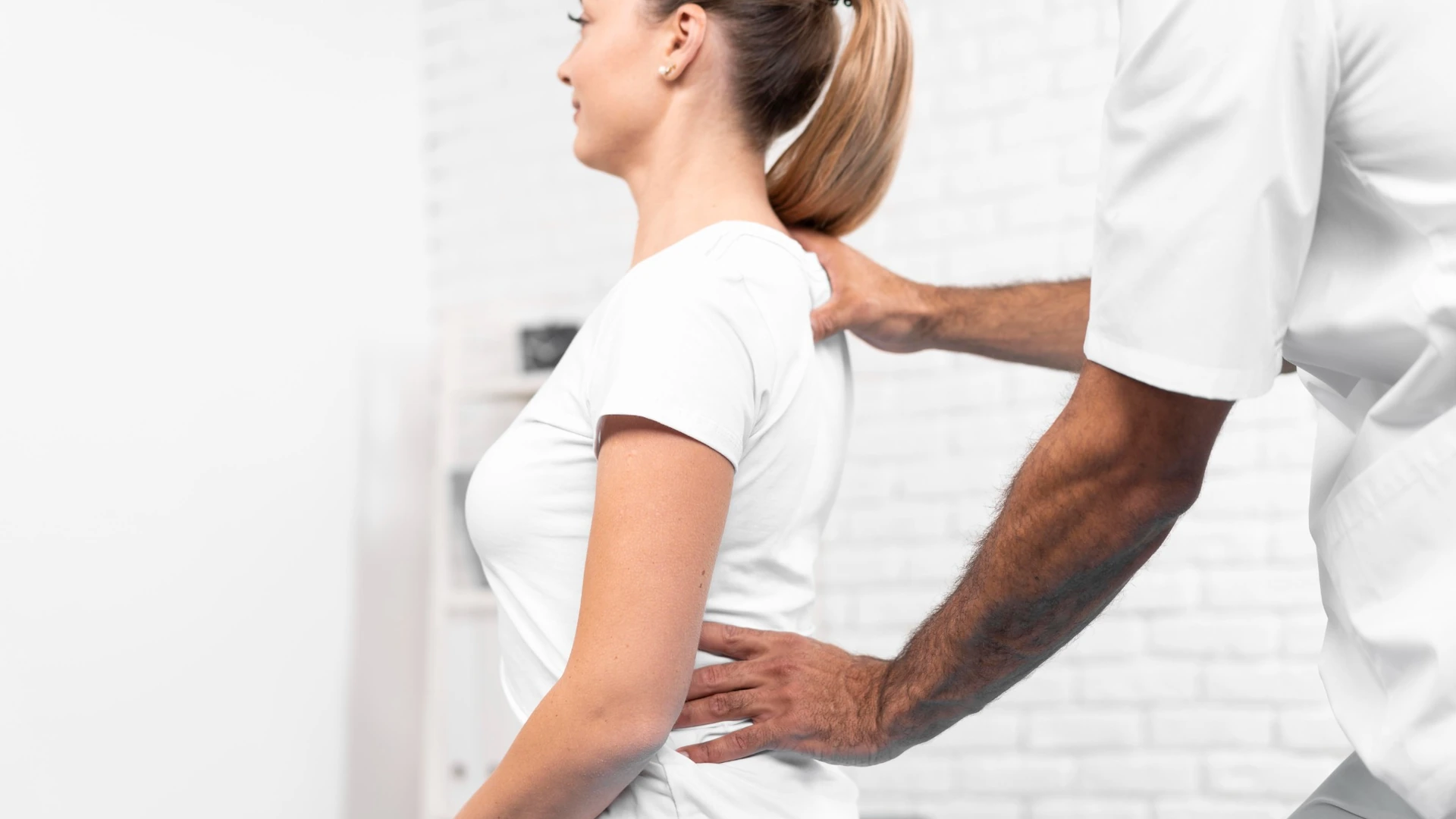
Uneven shoulders, an asymmetrical waist or one side of the ribs appearing more prominent can be signs. These changes do not automatically mean a person has scoliosis, and scoliosis should not be assumed to be caused by poor posture.
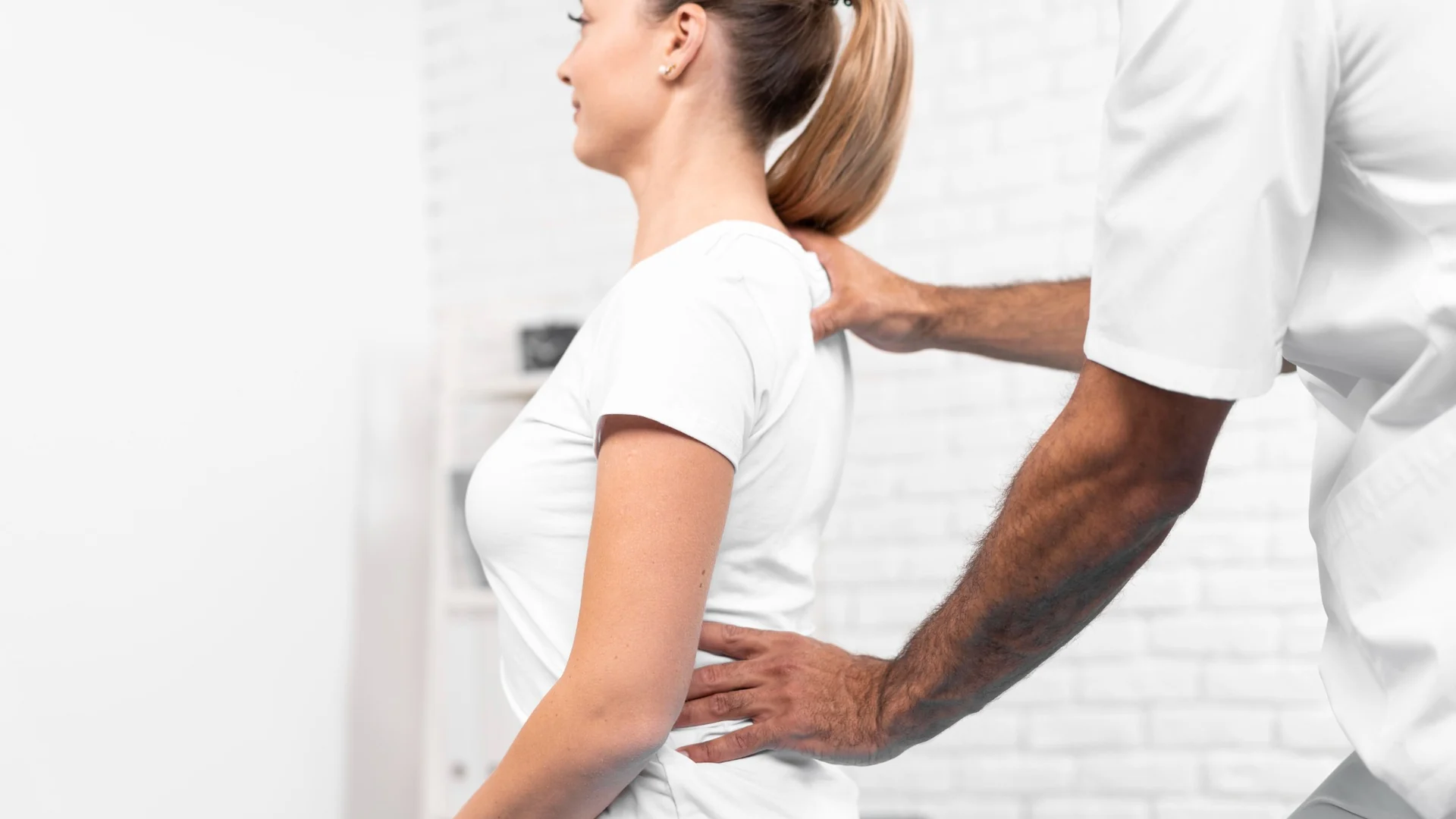
What can make someone ask about scoliosis?
Uneven shoulders
One shoulder blade or shoulder may appear higher.
Waist or hip asymmetry
The waistline or hip alignment may look uneven.
Noticeable spinal curve
A sideways curve may be visible, especially when bending forward.
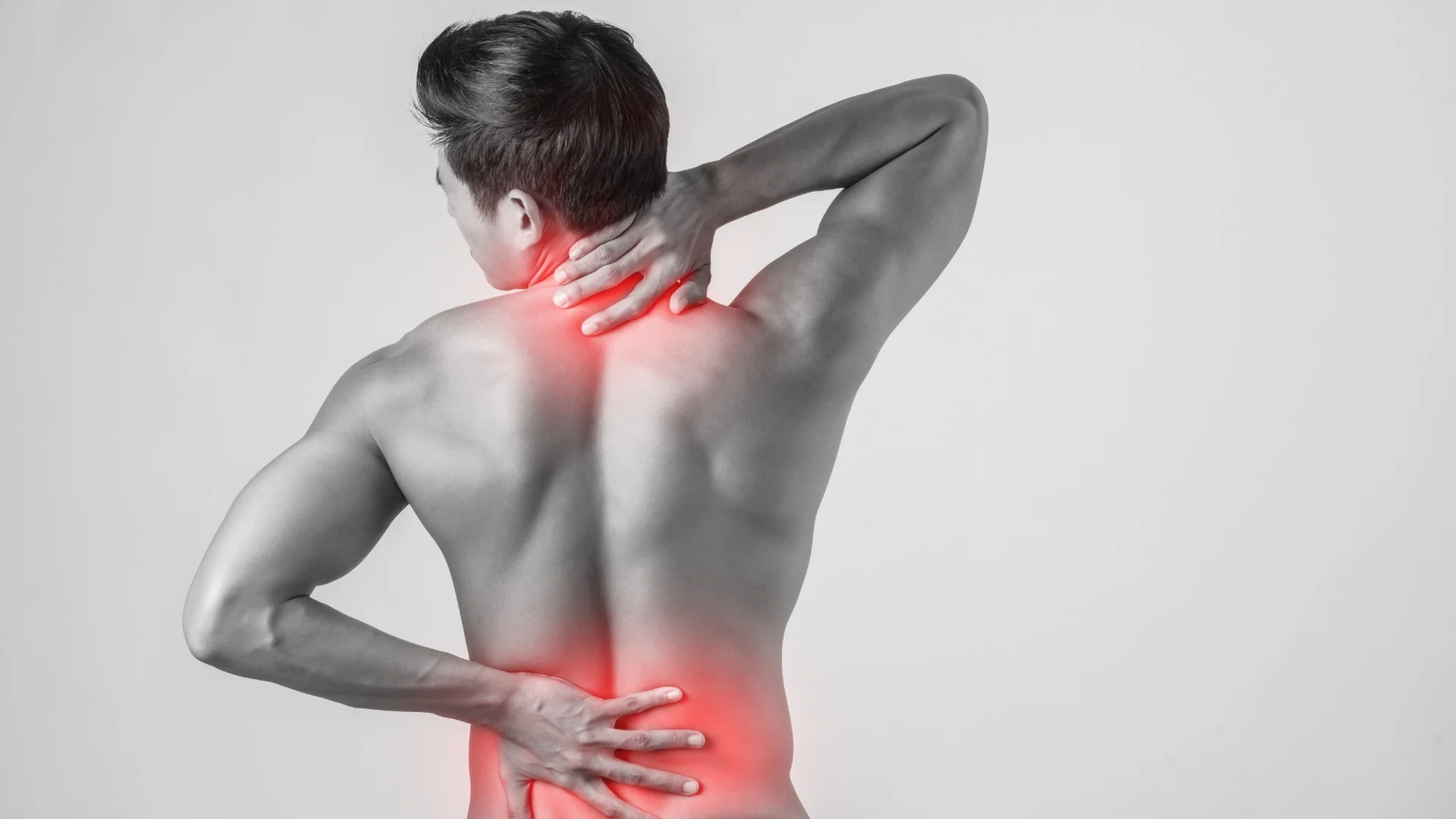
Back discomfort
Some adults report pain, although many people with scoliosis have little or no pain.
Focus on comfort and the advice you already received
The appropriate response to a spinal curve depends on age, symptoms and curve severity. This website does not claim that traditional manual methods can straighten the spine or replace specialist monitoring.
Was scoliosis diagnosed or measured by a clinician?
Have you been advised to follow up with an orthopedic or spine specialist?
Are you seeking general comfort-related information rather than correction of the curve?
Specialist guidance is important
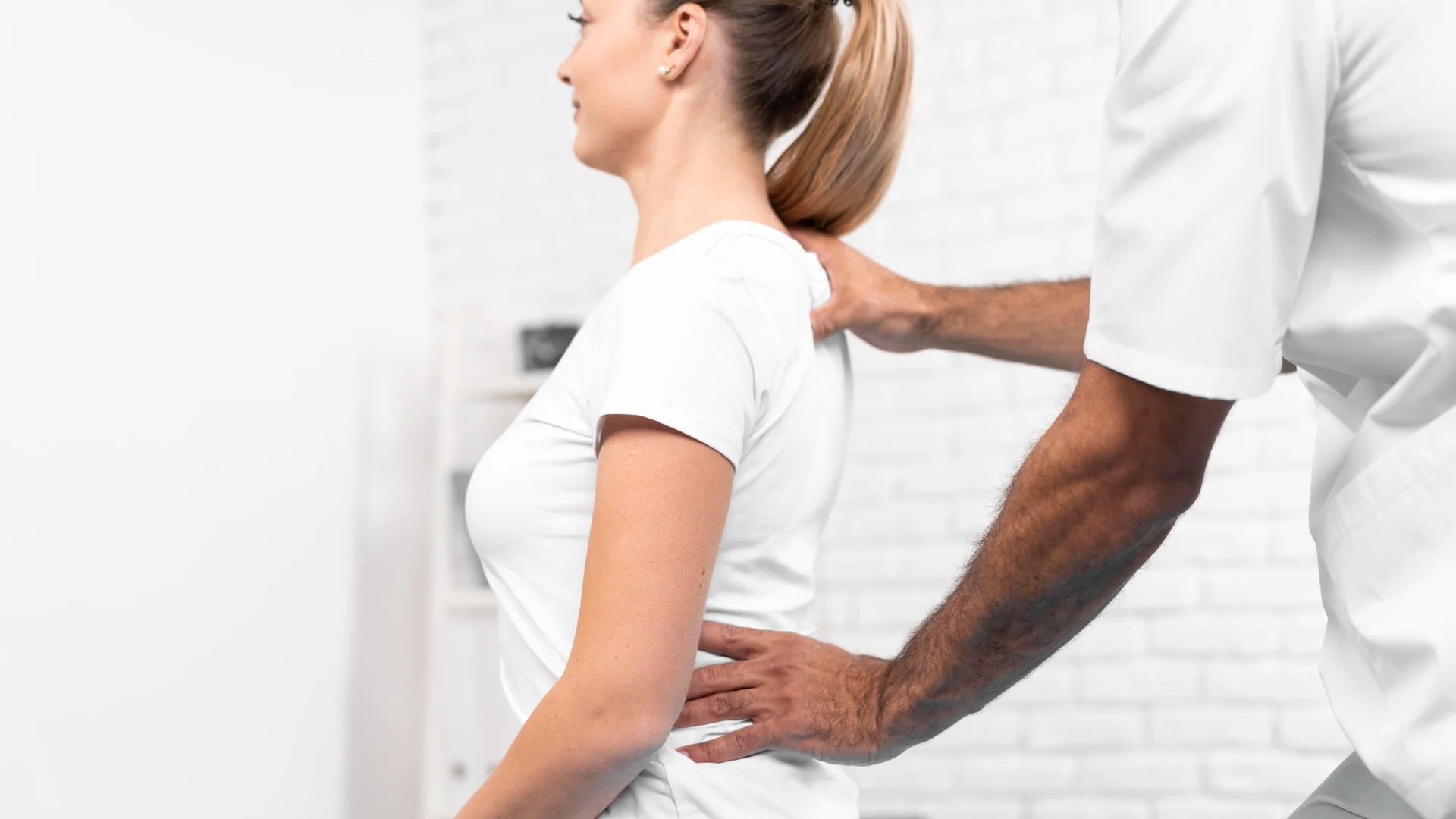
Obtain an evaluation from a qualified clinician for a newly noticed or worsening spinal curve, significant pain or neurological symptoms. A wellness visit should not delay recommended scoliosis care.
Frequently Asked Questions.
Is scoliosis the same as having bad posture?
No. Scoliosis is a structural spinal curve; ordinary postural variation is not the same diagnosis.
Can the curve be measured here?
No. A licensed clinician can examine spinal alignment and determine whether imaging and monitoring are needed.
Will manual wellness care straighten scoliosis?
No curvature-correction claim is made. Any treatment of scoliosis should follow professional medical advice.
For medically reviewed information about this topic, you can also consult:
NHS — Scoliosis ↗